
Calm Your Mind ~ Calm Mind Report ~ Find Inner Peace
Activate Your Inner Light and Inner Calm with LifeWave Aeon Patch and LifeWave X39 Patch
Get Your Free Copy of my ebook:
“FIND PEACE: 20 Effective Techniques to Calm Your Mind”
Here’s the link!
https://dianawalker.com/wp-content/uploads/2025/07/CalmYourMind.pdf
Calm Your Mind ~ What Is Calm?
As defined by Merriam-Webster: “Calm is a period or condition of quiet and freedom from disturbance.”
As defined by Collins Dictionary: “Calm is a state of peace and quiet”
Simply put, it is the absence of strong emotions and reaching an inner place that lessens the grip of anxiety, worry, excitement, and troubles.
The state of being calm is often something we think is just a function of circumstance.
However we can actually play a role in helping our minds and bodies get to and maintain a state of calm.

How Stress Works Against Calm
Stress, often activated by triggers and stressors in our lives, is a complex process within the brain and body.
The hypothalamic-pituitary-adrenal axis regulates the body’s hormonal response to stressful situations.
The hypothalamus instructs the pituitary gland to release a hormone.
The pituitary gland then signals the adrenal glands to create steroid hormones called glucocorticoids.
Two of these glucocorticoids are cortisol and adrenaline which are referred to as stress hormones (Suni, 2020).
Acute Versus Episodic Versus Chronic Stress
Stress tends to fall into one of three categories:
Acute Stress, Episodic Acute Stress, and Chronic Stress.
Acute Stress
This type of stress tends to accompany moments of panic or dread, which typically subside after a short period of time.
Physical symptoms in the body include increased heart rate, raised blood pressure, and feelings of irritability, anxiety, and sadness.
Some people also find themselves experiencing headaches, gastrointestinal issues, and back pain.
Incidents leading to acute stress can include missing a work deadline, being late to an important meeting, having an unexpected expense, or nearly getting into an accident (Suni, 2020).
Episodic Acute Stress
This kind of stress is an accumulation of separate moments of acute stress.
Essentially, it is like combining many moments of acute stress overtime.
This type of stress can be complicated by issues like clinical depression which can manifest when these episodes of acute stress are recurring.
They can also lead to attempts to alleviate stress via unhealthy patterns/behaviors such as overeating or binge drinking (Suni, 2020).
Chronic Stress
This is experienced when the trigger or stressor is persistent, or when the trauma is severe enough to have long-lasting impacts.
Factors leading to chronic stress can be poverty, abuse, or trauma.
These types of experiences tend to cause people to internalize their circumstance which wears down on them mentally.
Chronic stress can lead to anxiety disorders, depression, and negative behavior like alcoholism or drug use as a coping mechanism.
Additionally, chronic stress can cause problems with how the HPA axis is able to process stressful situations and communicate with the rest of the body (Suni, 2020).
Stress works against Calm by keeping our brain and body consistently aroused.
This heightened state of arousal leaves us feeling emotions, generally negative.
These emotions can lead to increased feelings of anxiety, depression, frustration, and anger among several other emotions.
Calm Your Mind ~ Stress and Calm Cannot Co-exist
Getting a handle on stress is important for restoring calm.
Getting a handle on stress can prevent negative mental and physical health impacts brought on by prolonged exposure to stress.

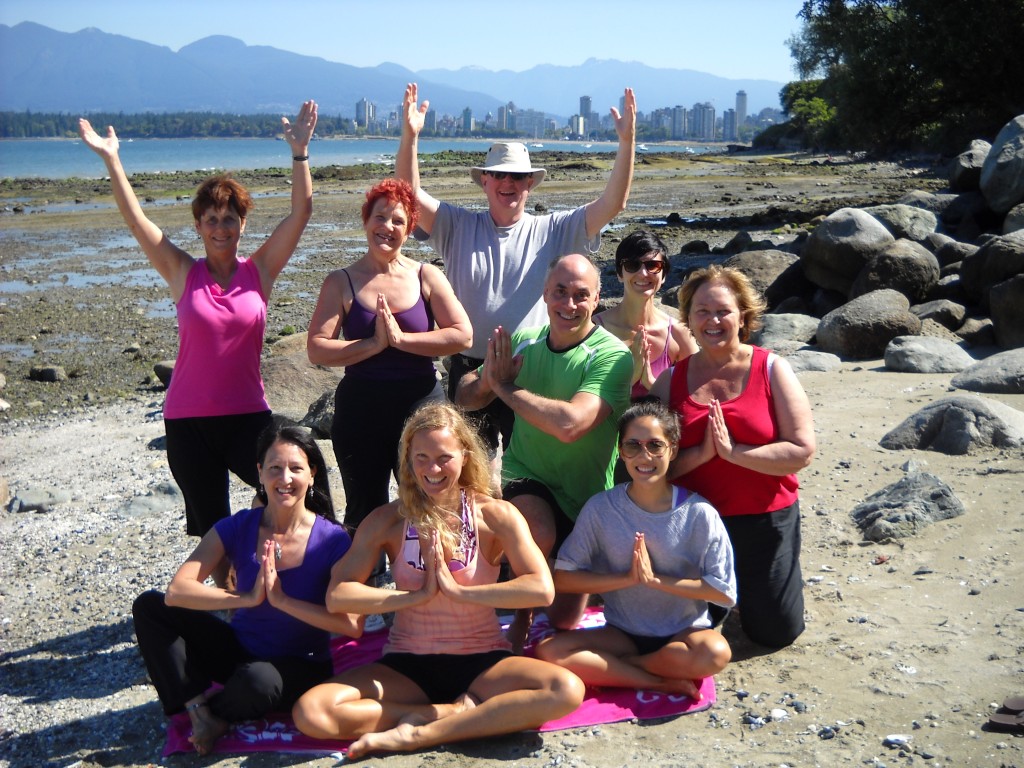

Usually, I like to deal with stress by taking a walk and experiencing nature. I have to say that I never knew there were so many different types of stress. This post was very informative. Thank you!
Diana, this is a very important subject for our health and well-being. I’m glad you have found so much success with your product. I use holistic coaching, self-help recommendations, and energy therapies for my stressed clients.